Where rivers, lagoons and tradition meet
Where rivers, lagoons and tradition meet
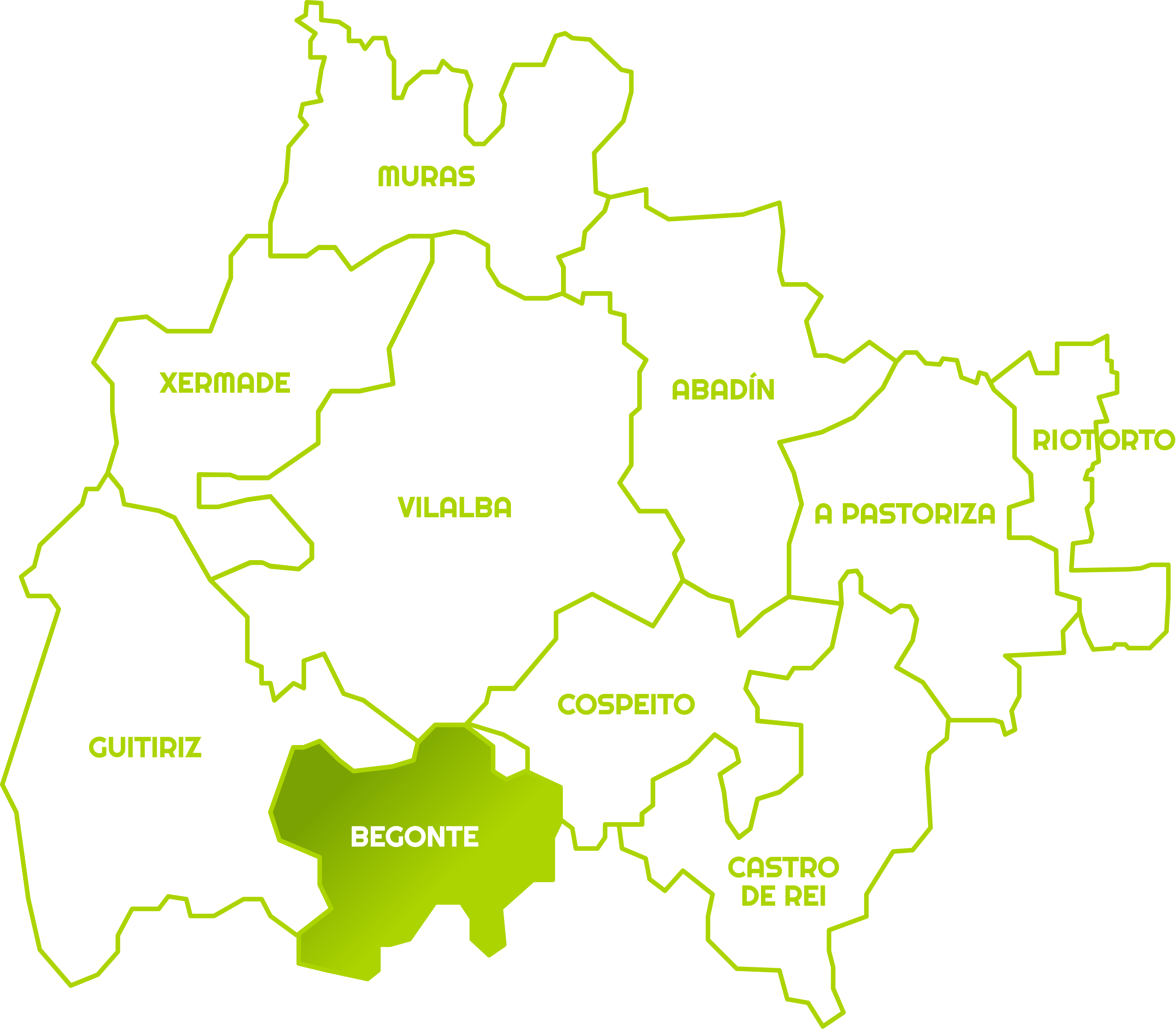
In the south of A Terra Chá, Begonte unfolds across a stunning river landscape shaped by the Parga and Ladra rivers. Its territory, dotted with lagoons and wetlands, shelters a wide variety of native birds and wildlife that find refuge among meadows, oak groves, and riverside forests. Between villages that preserve the essence of traditional architecture and landscapes that breathe tranquillity, the Northern Way of St. James crosses Baamonde, bringing history and spirituality. And when winter arrives, Begonte is transformed into a scene of light and tradition thanks to the oldest Electronic Nativity Scene in Galicia, turning this corner of the Terra Chá into an unmissable Christmas destination.
Places to see
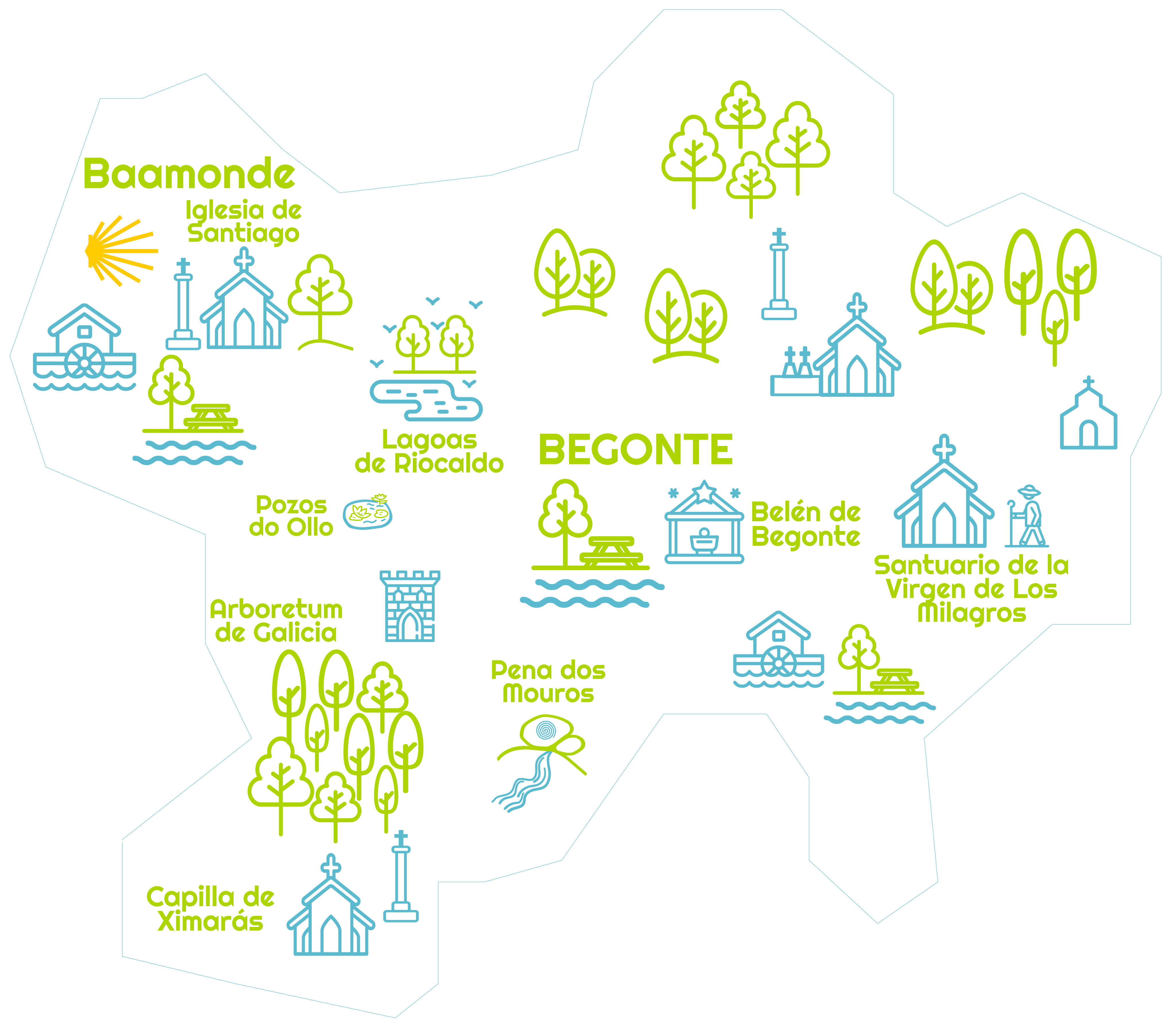
Begonte’s heritage holds centuries of history spread across villages and parishes that have preserved their rural essence intact. Medieval churches such as Santiago de Baamonde and pilgrimage sanctuaries like Saavedra stand out among a rich architectural and ethnographic heritage that includes traditional mills, river weirs, manor houses, churches, and fountains said to possess legendary healing powers, like those of Ximarás and Damil. Remains of hillforts, burial mounds, and megalithic structures —such as the myth-shrouded Pena dos Mouros— complete a journey through the oldest memory of the land. All this legacy is deeply rooted in the age-old tradition of local stonemasons, whose stonework has shaped much of the material and aesthetic identity of A Terra Chá.

Origins among legends
According to some sources, the name Begonte may trace its origin to the Vocontii, an ancient Celtic tribe settled in the Rhône Valley. It is said that their warriors, allies of Rome during the conquest of the north-western Iberian Peninsula, reached these lands of A Terra Chá, where some chose to remain, drawn by the fertility of the territory. Over time, their name endured in the memory of the place, evolving into the toponym we know today.
Santiago deBaamonde y su Castiñeiro Milenario
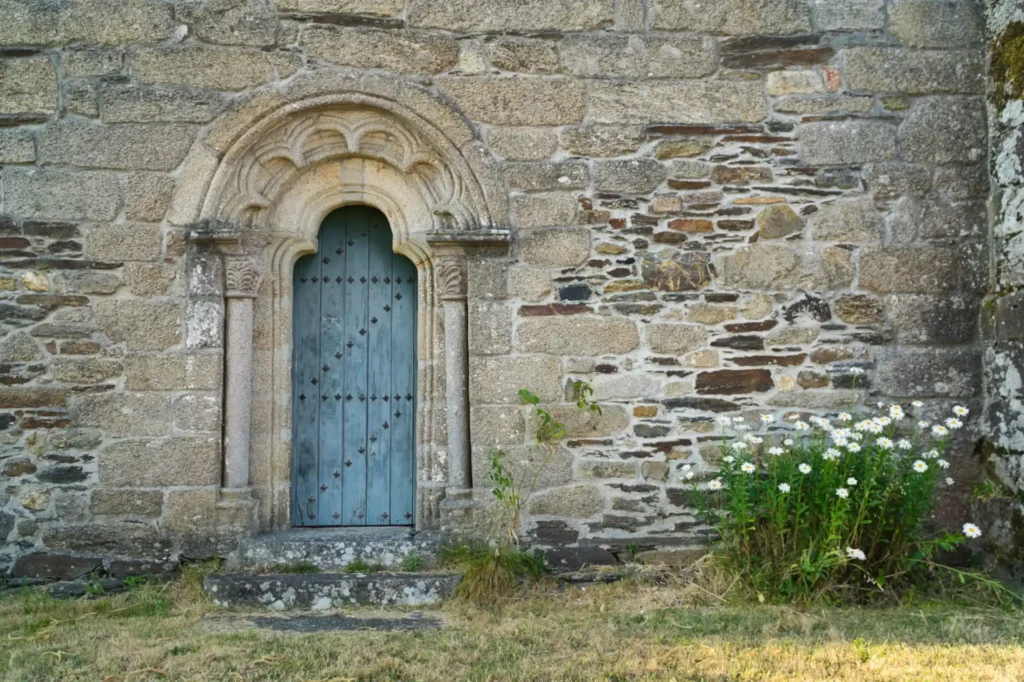
The Church of Santiago de Baamonde, which dates back to the 9th century, is one of the oldest temples on the Northern Way. In its beautiful churchyard stands a group of three 17th-century cruceiros (stone crosses) together with the celebrated ancient chestnut tree, saved in 1971 thanks to the sculptor Víctor Corral, who carved inside it a small image of Our Lady of the Rosary, the parish patron saint. Since then, the chestnut has become a living monument, preserving within its wood figures and details sculpted by the artist, making this corner one of Begonte’s most distinctive and fascinating places.
The Chapel of XimarásCapela de Ximarás
In the village of Ximarás, within the parish of San Fiz de Cerdeiras, stands one of Begonte’s religious treasures. The chapel may date back to the 11th century and is thought to have once belonged to an ancient monastery. Nearby rises a remarkable cruceiro, carved from a single block of stone —one of the few in Galicia with this feature. In the surrounding area flows the Fonte da Virtude, a spring whose waters are said to possess healing and miraculous properties.
Pena dos Mouros
The Pena dos Mouros, located in the parish of Donalbai, is an enigmatic megalithic site in Begonte made up of three large stone pillars supporting a massive slab several metres long. This monument, rich in symbolism, is surrounded by legends that speak of the mouros —mythical beings from Galician folklore, guardians of ancient treasures and supernatural builders of hillforts and burial mounds.
Pazo de Souto
The Pazo de Souto is one of Begonte’s finest examples of traditional Galician manor architecture. Built in the
Muíño do Pan
The Muíño do Pan de Baamonde, on the banks of the River Parga, is an old watermill restored as an interpretation centre for ethnographic heritage. It preserves its stone and slate structure and offers visitors a close look at the traditional grain-grinding process —an activity that was once essential to rural life in A Terra Chá.
Víctor Corral Museum
The Víctor Corral Museum, designed and built by the sculptor himself —born in Baamonde in 1937—, is a work of architecture in its own right. Built in the style of a traditional pazo (Galician manor house), it houses an extraordinary collection of sculptures in wood, bronze and ivory, alongside miniatures and monumental pieces created over more than fifty years. Its garden is dotted with granite and bronze sculptures, and the complex includes a chapel, workshop and dovecote, making the visit a complete artistic experience.
Water landscapes
The entire area of Begonte lies within the Terras do Miño Biosphere Reserve, a benchmark territory for biodiversity and landscape conservation in Galicia. Its lands are also part of the European Natura 2000 Network, which protects river stretches, riparian zones and wetlands of high ecological value. In Begonte, rivers such as the Parga and the Ladra, along with lagoons and wetlands formed from former quarries, coexist with meadows and riverside forests that shelter migratory birds and native wildlife.
Arboretum de Galicia
In the parish of San Vicente de Pena lies the Arboretum de Galicia, a unique natural space that brings together hundreds of plant species across more than fifteen hectares of land. It is a member of several international botanical societies and part of the global Quiet Garden Movement, a network devoted to gardens and landscapes that invite silence, contemplation and calm. Fancy a forest bath? Here, nature offers you one in its purest form.
Pozo do Ollo
The Ollos de Begonte are two circular karstic lagoons, among the most distinctive wetlands in A Terra Chá. Their deep waters, surrounded by oak groves and riverside vegetation, are shrouded in legends that speak of mouros and hidden treasures —and also of French soldiers who, according to local tradition, were thrown into their depths during the Peninsular War.
Riverside leisure areas
Rivers are an essential part of both the landscape and daily life in Begonte.
Along the Parga and the Ladra lie well-kept riverside picnic areas that invite you to relax and reconnect with nature, such as the Begonte and Baamonde fluvial clubs —truly special places to enjoy the water and the tranquillity of the surroundings.
Ruta dos Anacos do Belén
Discover Begonte through its sculptural route Anacos do Belén. Each of Begonte’s 19 parishes hosts a large wooden sculpture by artist César Lorenzana, inspired by the world of the Nativity and by the rural traditions of A Terra Chá.
Ruta dos Anacos do Belén
Discover Begonte through its sculptural route Anacos do Belén. Each of Begonte’s 19 parishes hosts a large wooden sculpture by artist César Lorenzana, inspired by the world of the Nativity and by the rural traditions of A Terra Chá.
In Begonte, culture and celebration are part of its very essence. In summer, parish festivities fill the villages with music and togetherness, while festivals such as 27373 bring the best of contemporary Galician music to the banks of the River Ladra. Among the most notable events is the Romería of Our Lady of the Miracles of Saavedra, one of Galicia’s best-known religious pilgrimages, which every May gathers hundreds of devotees and visitors around its sanctuary. And when December arrives, Begonte dresses in magic with its renowned Electronic Belén de Begonte and the Christmas Market, which fills the town centre with lights, music and festive spirit.
Begonte’s gastronomy, deeply rooted in local produce, blends the essence of traditional restaurants —where the authentic flavour of A Terra Chá’s cuisine is preserved— with new spaces that reinterpret tradition through a contemporary lens. In July, the Festa da Empanada, held at the Begonte Fluvial Club, brings neighbours and visitors together to pay tribute to one of Galicia’s most iconic dishes.
Culture, taste & celebration
In Begonte, culture and celebration are part of its very essence. In summer, parish festivities fill the villages with music and togetherness, while festivals such as 27373 bring the best of contemporary Galician music to the banks of the River Ladra. Among the most notable events is the Romería of Our Lady of the Miracles of Saavedra, one of Galicia’s best-known religious pilgrimages, which every May gathers hundreds of devotees and visitors around its sanctuary. And when December arrives, Begonte dresses in magic with its renowned Electronic Belén de Begonte and the Christmas Market, which fills the town centre with lights, music and festive spirit.
Begonte’s gastronomy, deeply rooted in local produce, blends the essence of traditional restaurants —where the authentic flavour of A Terra Chá’s cuisine is preserved— with new spaces that reinterpret tradition through a contemporary lens. In July, the Festa da Empanada, held at the Begonte Fluvial Club, brings neighbours and visitors together to pay tribute to one of Galicia’s most iconic dishes.
Feel the magic of Christmas in Begonte
Visit the Belén de Begonte
The Belén Electrónico de Begonte is the great Christmas symbol of the municipality and one of the most iconic in Galicia. Declared a Galician Site of Tourist Interest, it attracts thousands of visitors every year and has made Begonte a cultural and emotional landmark of the season. If you visit A Terra Chá in winter, don’t miss it — it’s a magical experience that moves both children and adults alike.
Christmas Market
In December, on the weekend before Christmas, the Christmas Market transforms the centre of Begonte into a lively meeting place filled with light, music and festive spirit. The streets come alive with colour, stalls offer crafts, local produce and seasonal flavours, and the Christmas spirit can be felt in every corner. Together with the Belén de Begonte, it turns Begonte into a place full of life and magic, where tradition blends with the joy of the festive season.

On the Northern Route of the Camino de Santiago
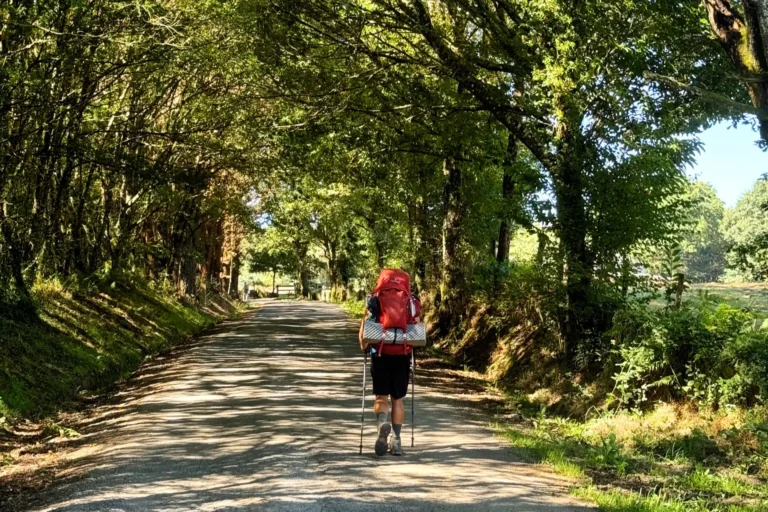
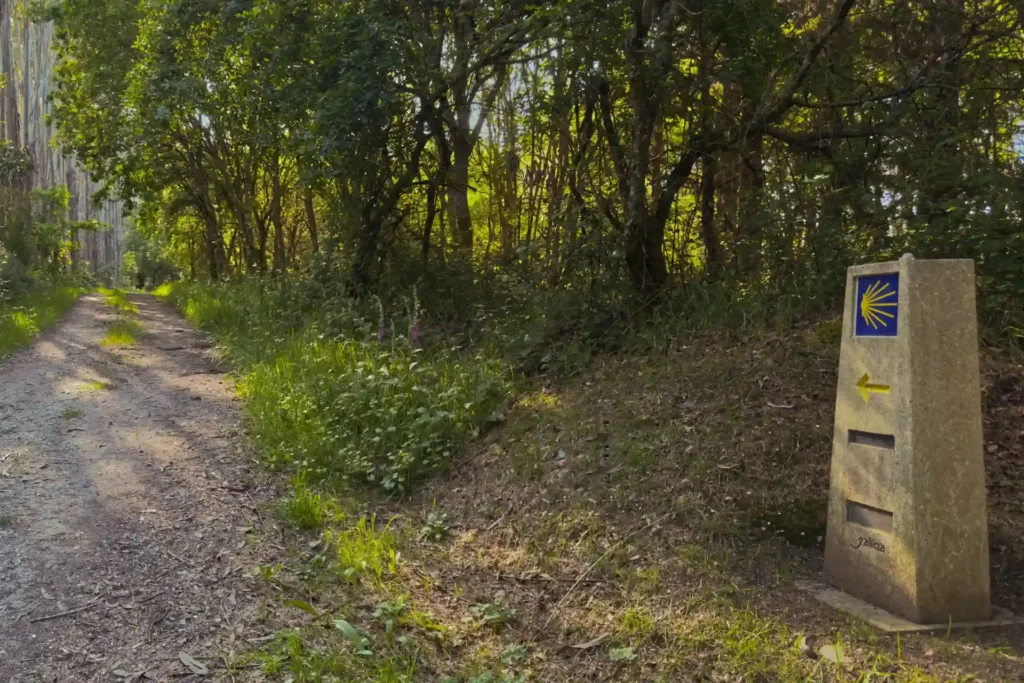
The Northern Route of the Camino de Santiago crosses the municipality of Begonte through the parish of Baamonde, turning its valleys and riverbanks into an essential part of one of the oldest Jacobean routes. Along this stage lies the 100th kilometre to Santiago, a symbolic milestone for pilgrims as they begin their final stretch towards Compostela. At the heart of Baamonde stands the Church of Santiago, one of the oldest temples on the Camino, whose churchyard —with three cruceiros and the ancient chestnut tree carved by Víctor Corral— forms one of the most iconic and photographed corners of the route.
In addition, a complementary route offers an alternative walk along the banks of the River Parga, passing the Muíño do Pan and entering forests of great natural beauty —a path well worth exploring.
Clouds: {{current_weather.clouds}}%
Wind ({{current_weather.wind.deg}}): {{current_weather.wind.speed}}{{units_wind}}
Come and discover Begonte
Clouds: {{current_weather.clouds}}%
Wind ({{current_weather.wind.deg}}): {{current_weather.wind.speed}}{{units_wind}}
Come and discover Begonte